By 2028, the renovation will create a modern cultural centre dedicated to one of the most important Slovenian poets.
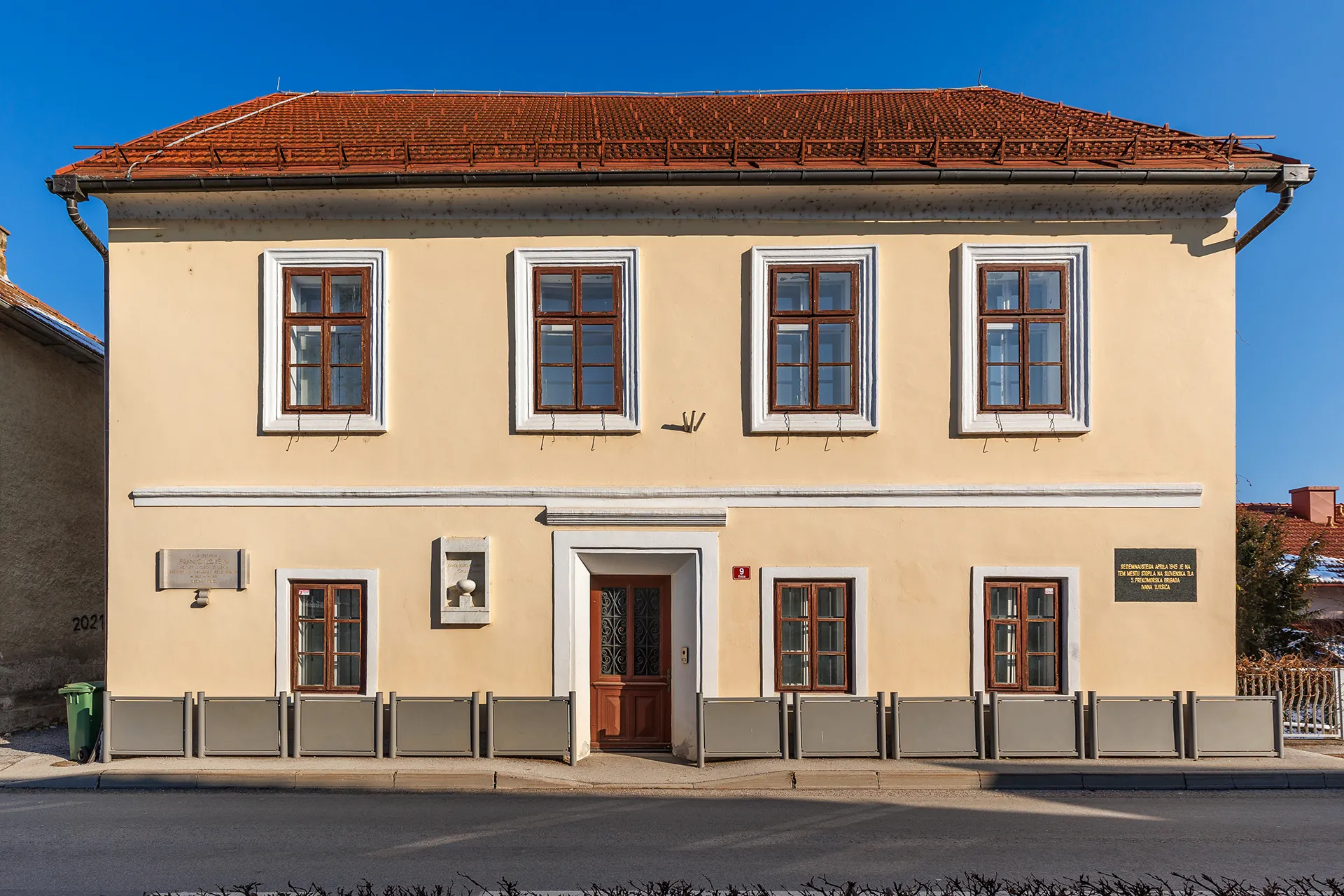
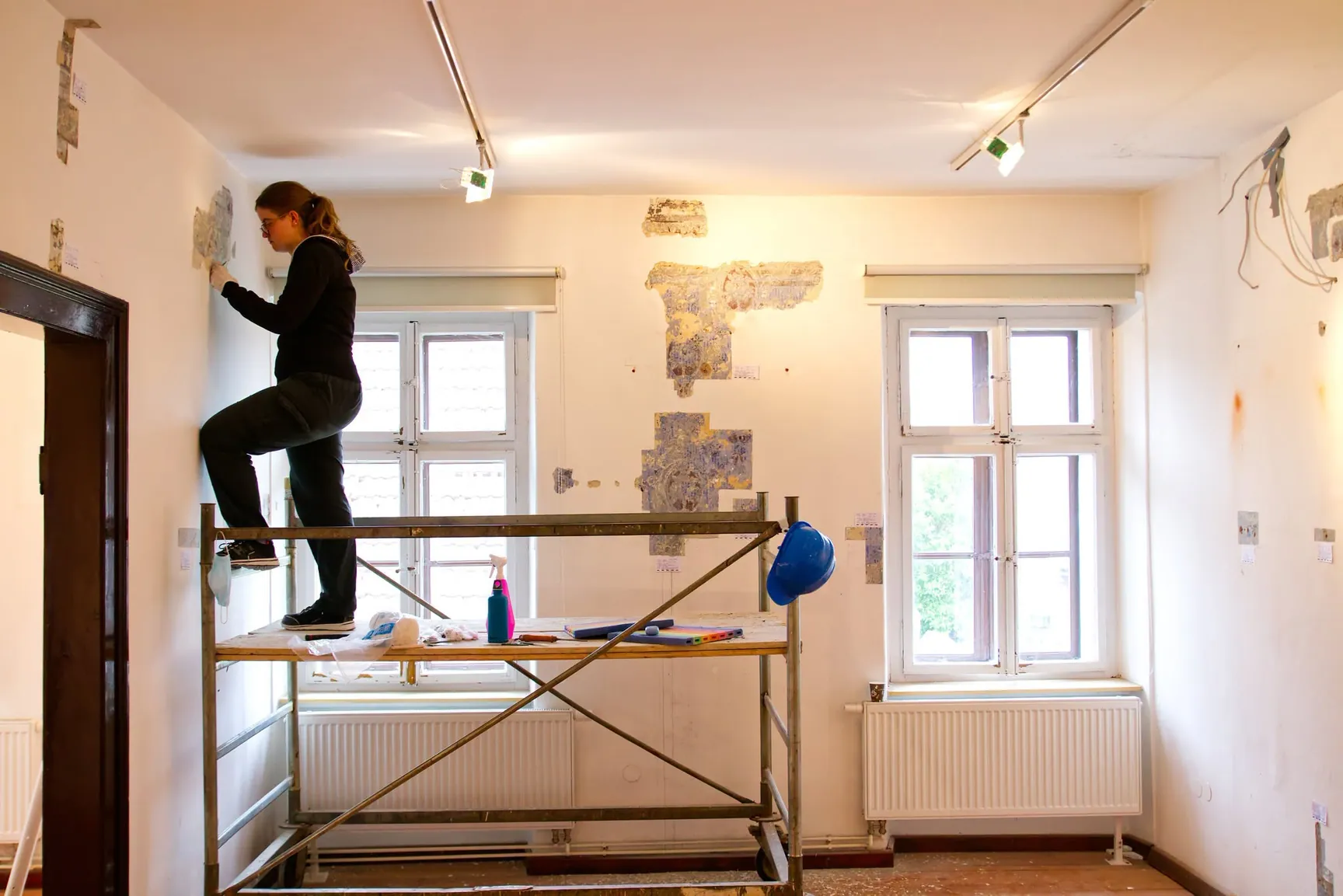
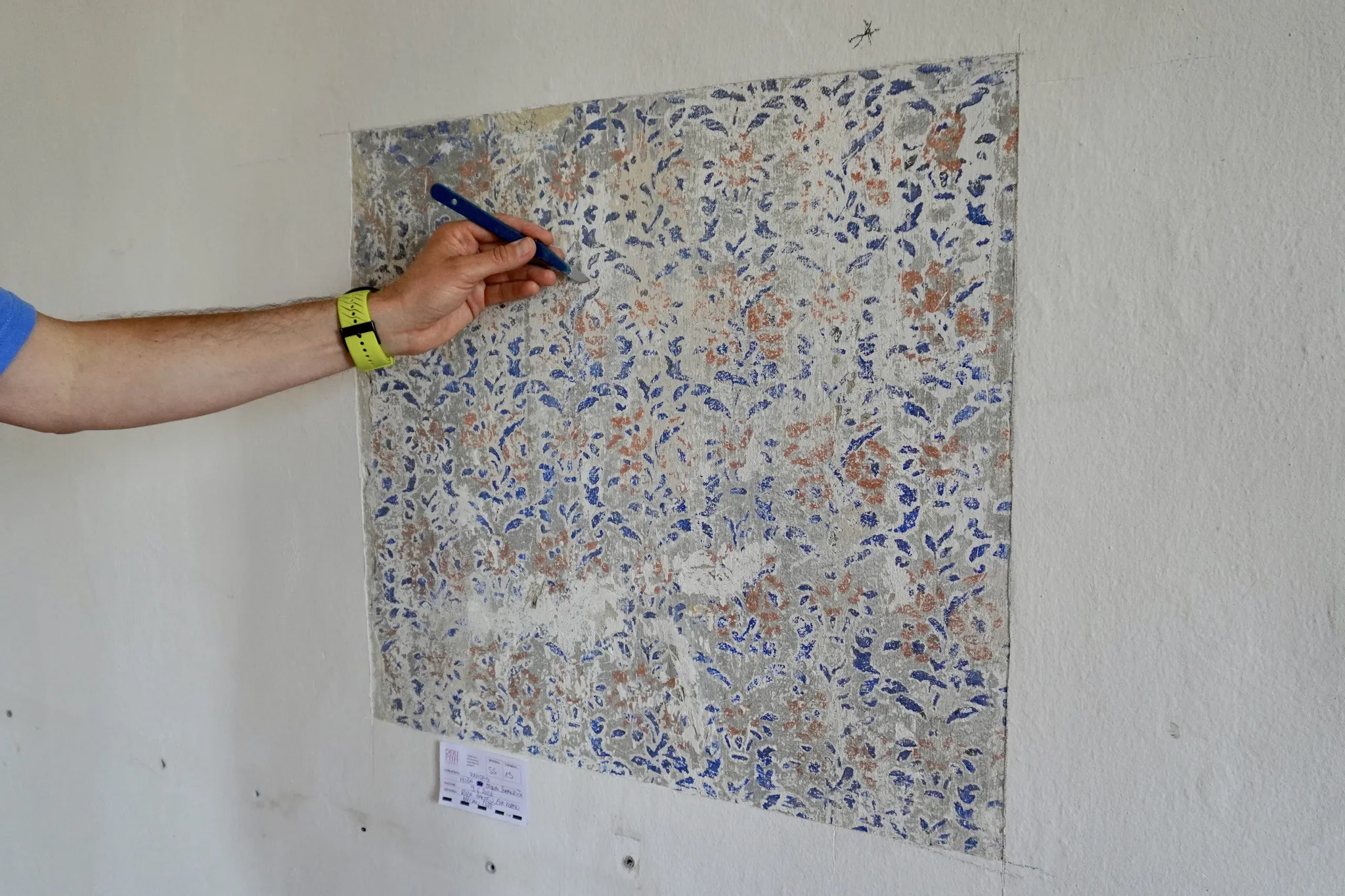
The renovation project of the Oton Župančič Memorial House in Vinica, Župančič’s World, is in full swing. Important restoration work is currently under way in the house, revealing previously hidden stories of the building connected with the life and legacy of the great Slovenian poet. In the first phase of the renovation, restorers uncovered fairly well-preserved wall paintings beneath the whitewash that bear witness to the house’s former life, while the content of a new interactive museum exhibition and two new tourism products is already being developed. The renovated house will take on special significance in 2028, when all of Slovenia will celebrate the Year of Oton Župančič on the 150th anniversary of the poet’s birth.
“We are proud that all the work is progressing according to plan. For the Municipality of Črnomelj and Bela krajina, the project is of exceptional strategic, cultural and developmental importance, as it not only preserves a precious literary and historical heritage but also creates a modern and accessible space that will connect culture, tourism, local providers and the community, and strengthen the profile of Bela krajina as a cultural tourism destination,” said project manager Željka Karin Biličič of the project office of the Municipality of Črnomelj.
She added that the renovated house will offer visitors quality content all year round, helping, among other things, to reduce the seasonality of tourism in Bela krajina. The next phase of the renovation will also see the start of construction and finishing work, including the repair of the cellar, the renovation of the ground and upper floors, the repair of the roof, the replacement of doors and windows, and the repainting of interior walls. Ramps, paved paths and other adaptations will make the house more accessible to people with various disabilities. The surroundings of the house will also be renovated, with a new venue for cultural events, concerts and educational programmes.
New content for new generations of visitors
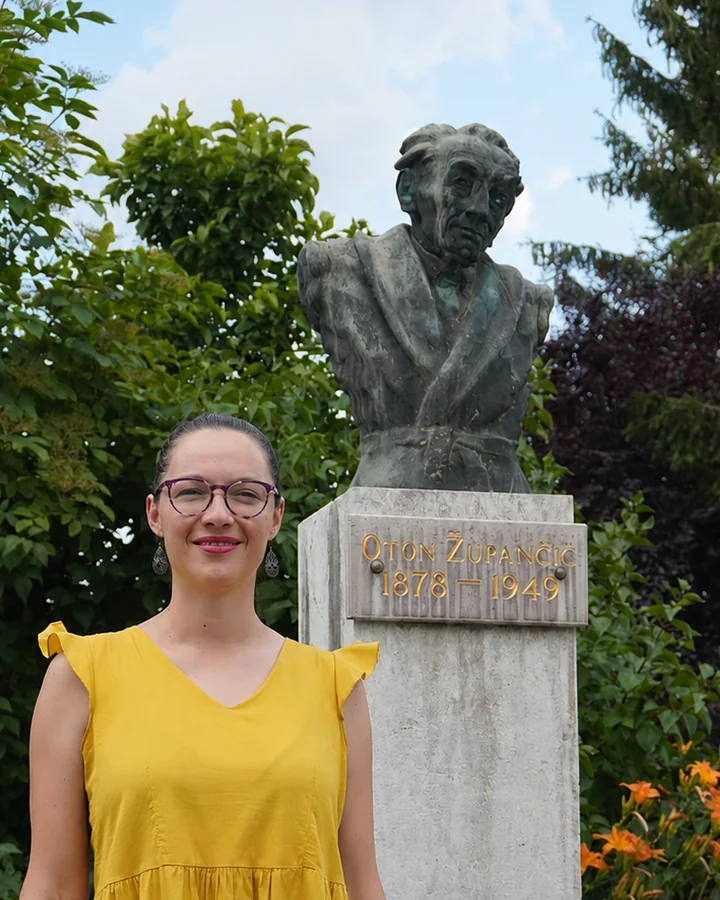
The renovation will combine the preservation of heritage with modern ways of experiencing it. New technologies, including holograms, artificial intelligence and virtual reality, will bring Župančič’s world closer, especially to younger visitors. As Klaudija Jaketič, head of the memorial house at the Bela krajina Development and Information Centre, pointed out, the Župančič’s World project will transform the house into a modern cultural and educational centre for visitors of all generations, from school groups, families with children and teenagers to senior citizens. “The entire first floor will be dedicated to Oton Župančič’s literary heritage for children, and individual rooms will be named after his famous poetry collections.”
Two new tourism products are also an important part of the project. Čaša opojnosti will introduce visitors to Župančič’s work for adults, while Oton’s World Through the Poet’s Glasses will let children experience the poet’s world in an interactive way. “We want the house to become a place of encounter, creativity and rediscovery of Župančič’s legacy. Cooperation with local residents, artists and providers is also important to us, as we want the whole town to breathe with this house,” said Klaudija Jaketič.
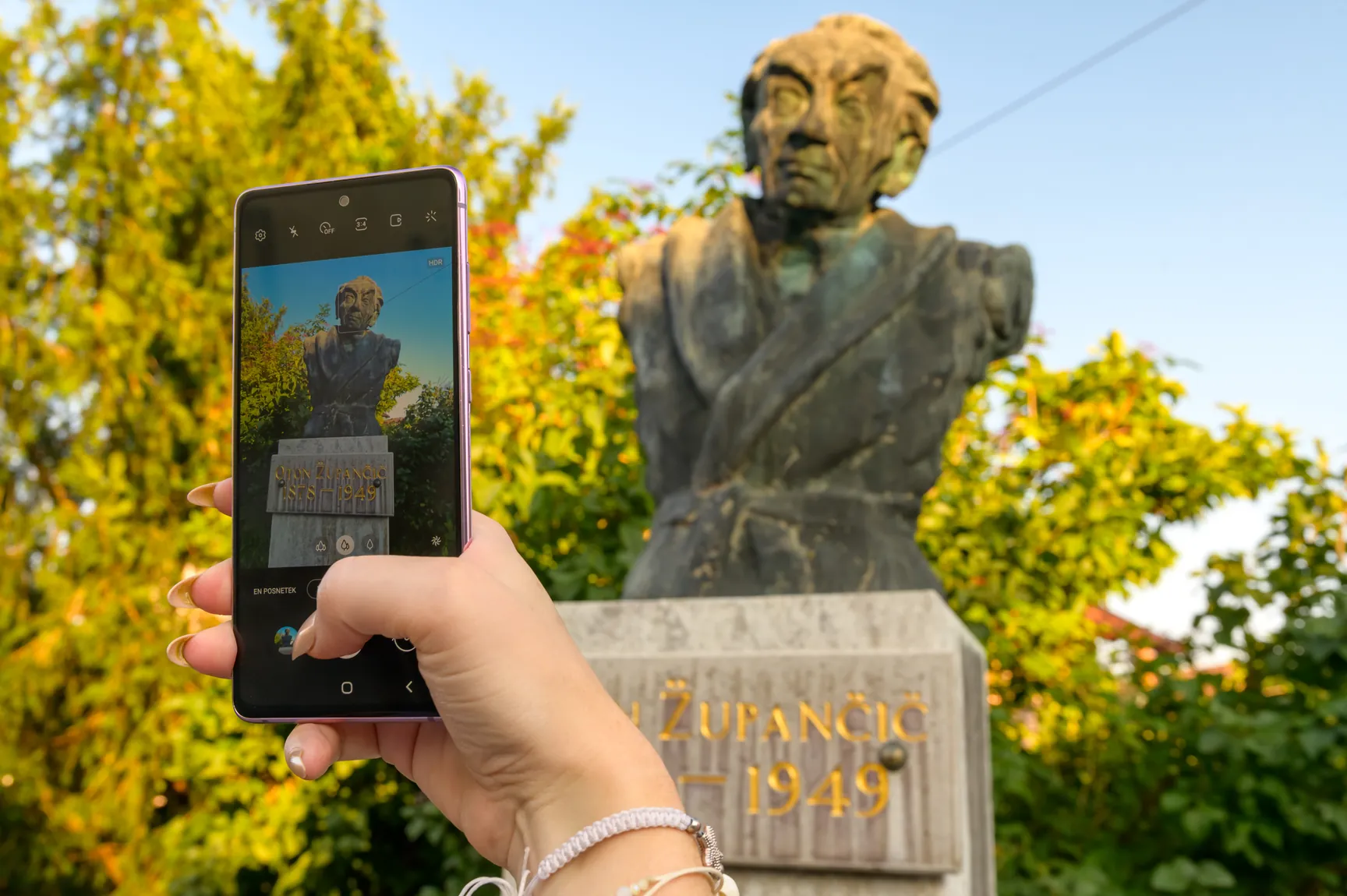
Oton Župančič was a man of broad horizons, an exceptional creator and a great master of the Slovenian language. We want visitors to feel his creativity, his optimism about life and the significance he still holds for Slovenian culture today through the renovated house.
From Francina’s inn to a cultural monument
The Oton Župančič Memorial House stands on the site of the poet’s birthplace, whose history dates back to the first half of the 19th century. It was owned by Oton’s grandfather Franc Malič (known locally as Francina), an enterprising merchant and innkeeper who rebuilt and extended the house. It was here that Oton Župančič was born in 1878. The homestead was marked by two great fires; the second, which broke out in 1888, destroyed the birthplace completely. The house of Vinica schoolteacher Franjo Lovšin was later built on its site, and in 1951 it became home to one of the first Slovenian literary museums.
What lies beneath the many layers of whitewash?
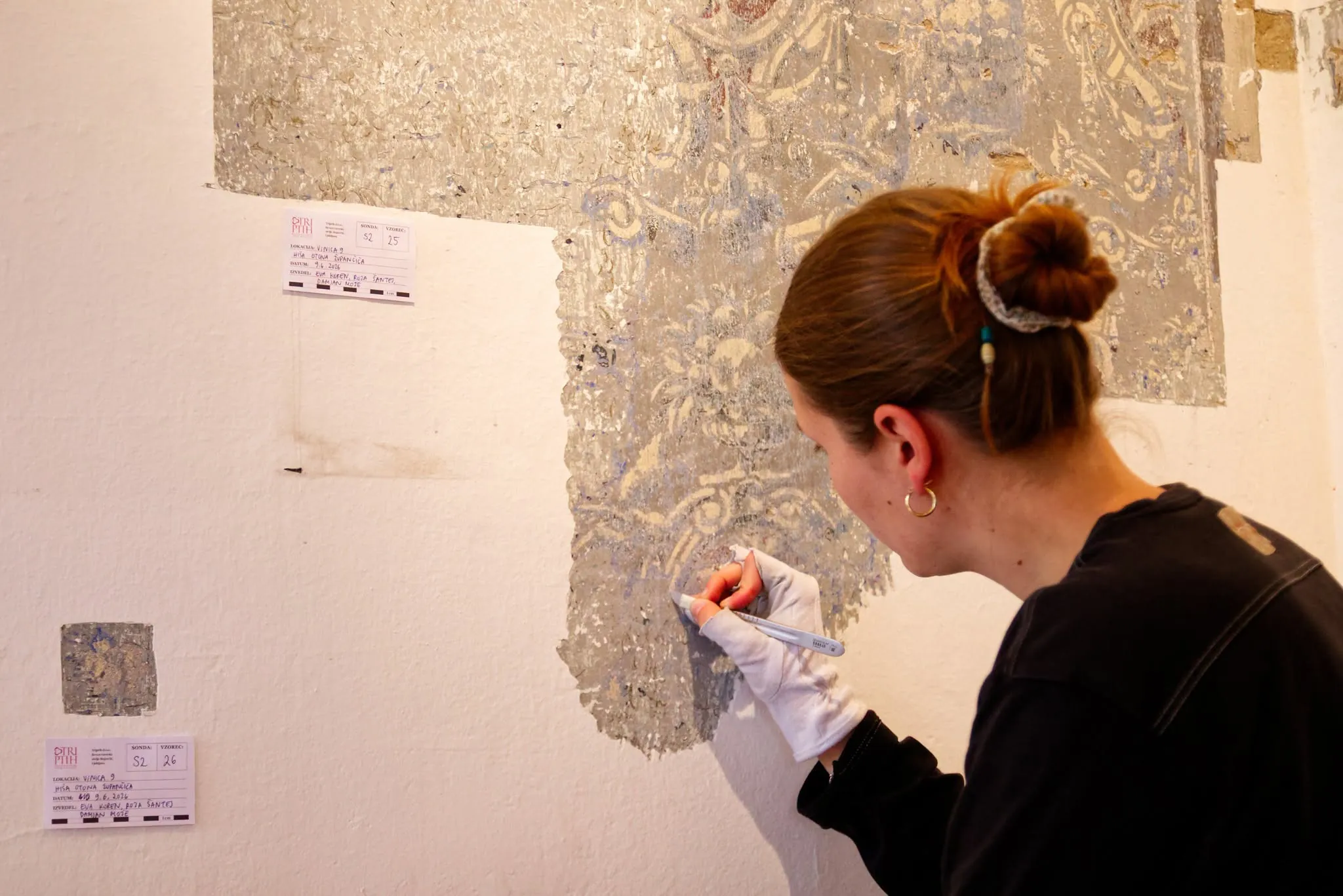
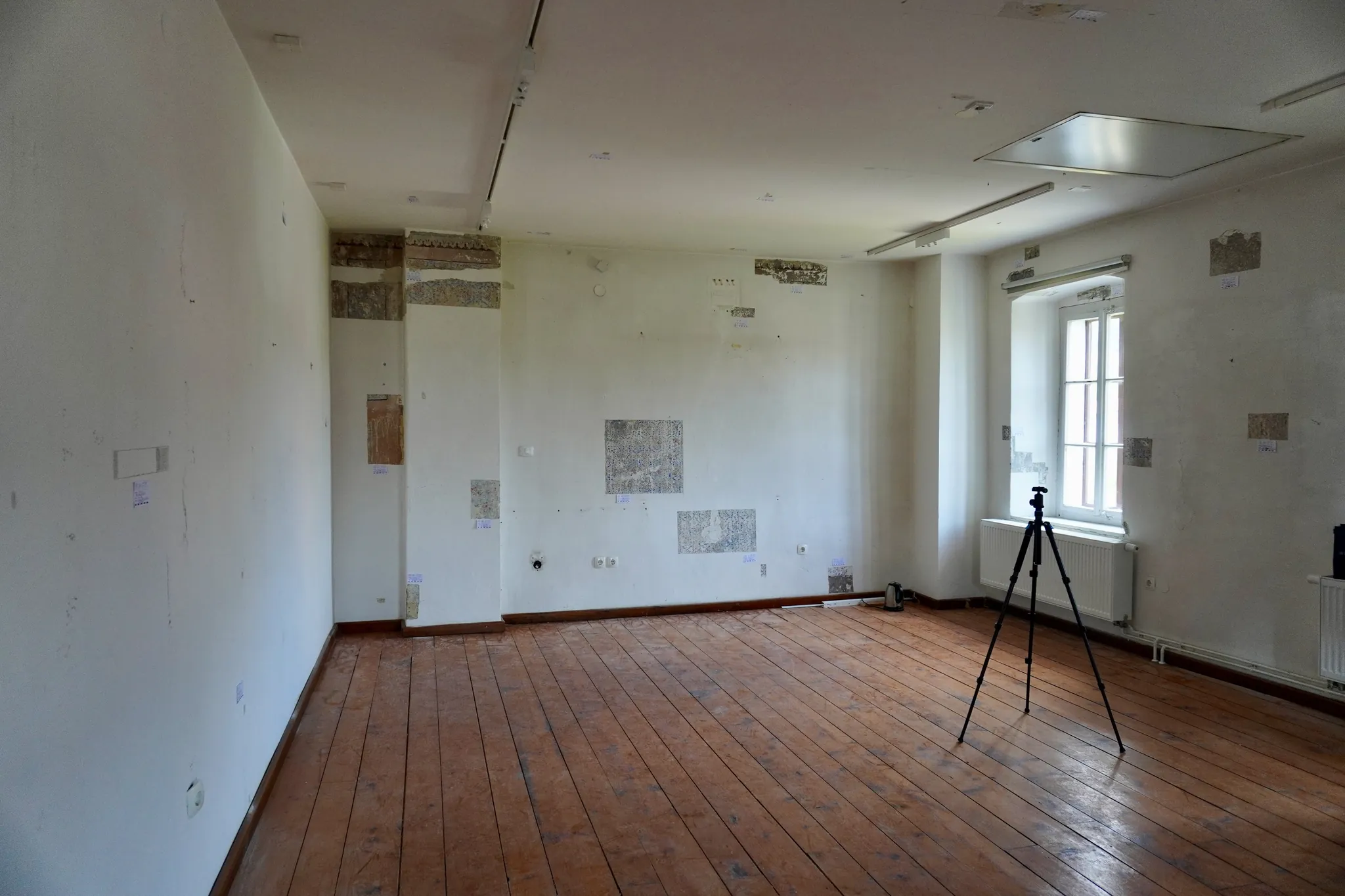
These days, the Oton Župančič Memorial House has been taken over by restorers who are revealing previously hidden stories of the building connected with the life and legacy of the great Slovenian poet. The restoration team led by Luka Bogovčič of Triptih, restavratorski atelje Bogovčič carried out extensive test probing of the walls in six rooms on the first floor. While removing later layers of whitewash, they uncovered numerous decorative paintings made with stencils and later with rollers.
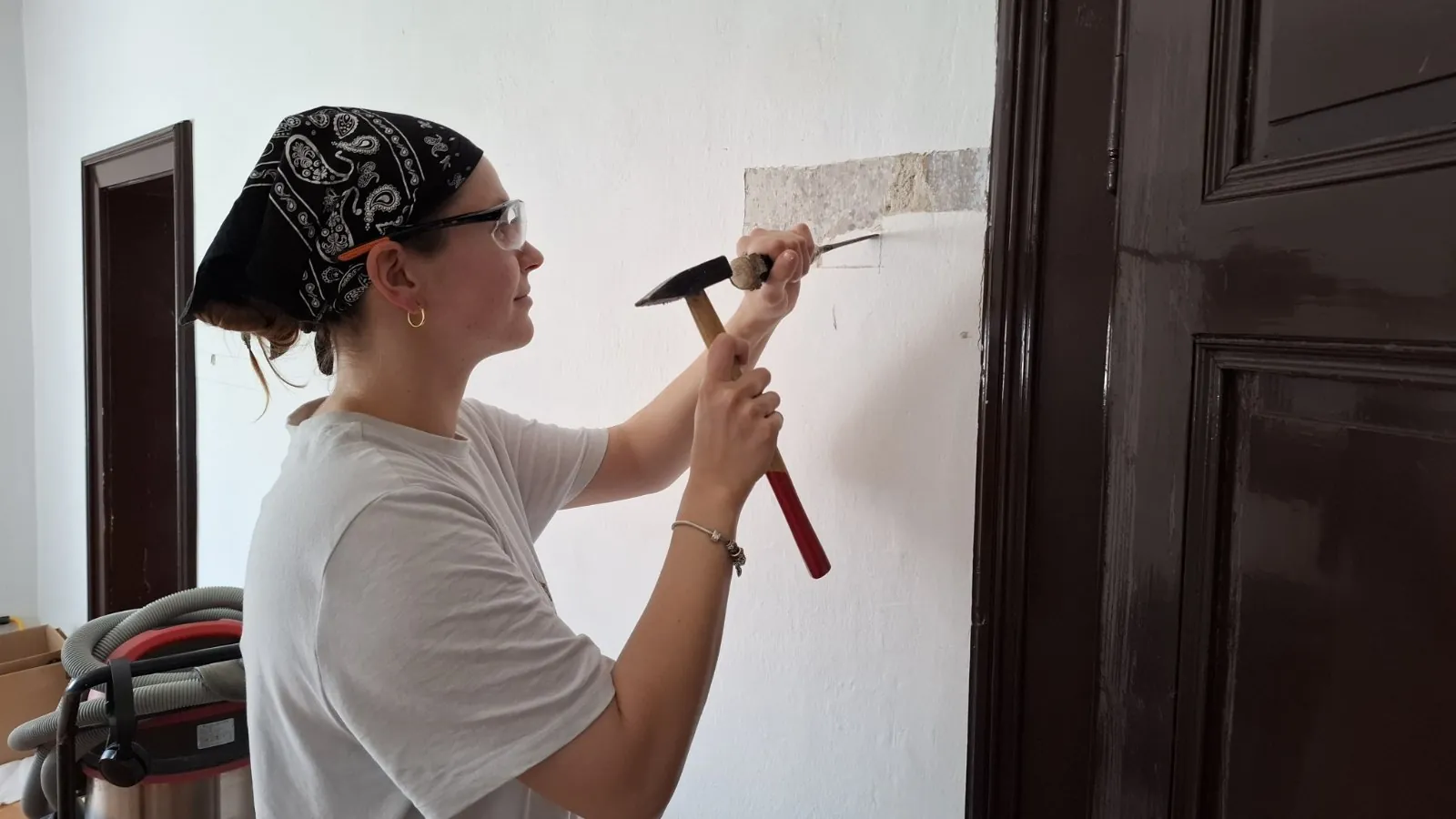
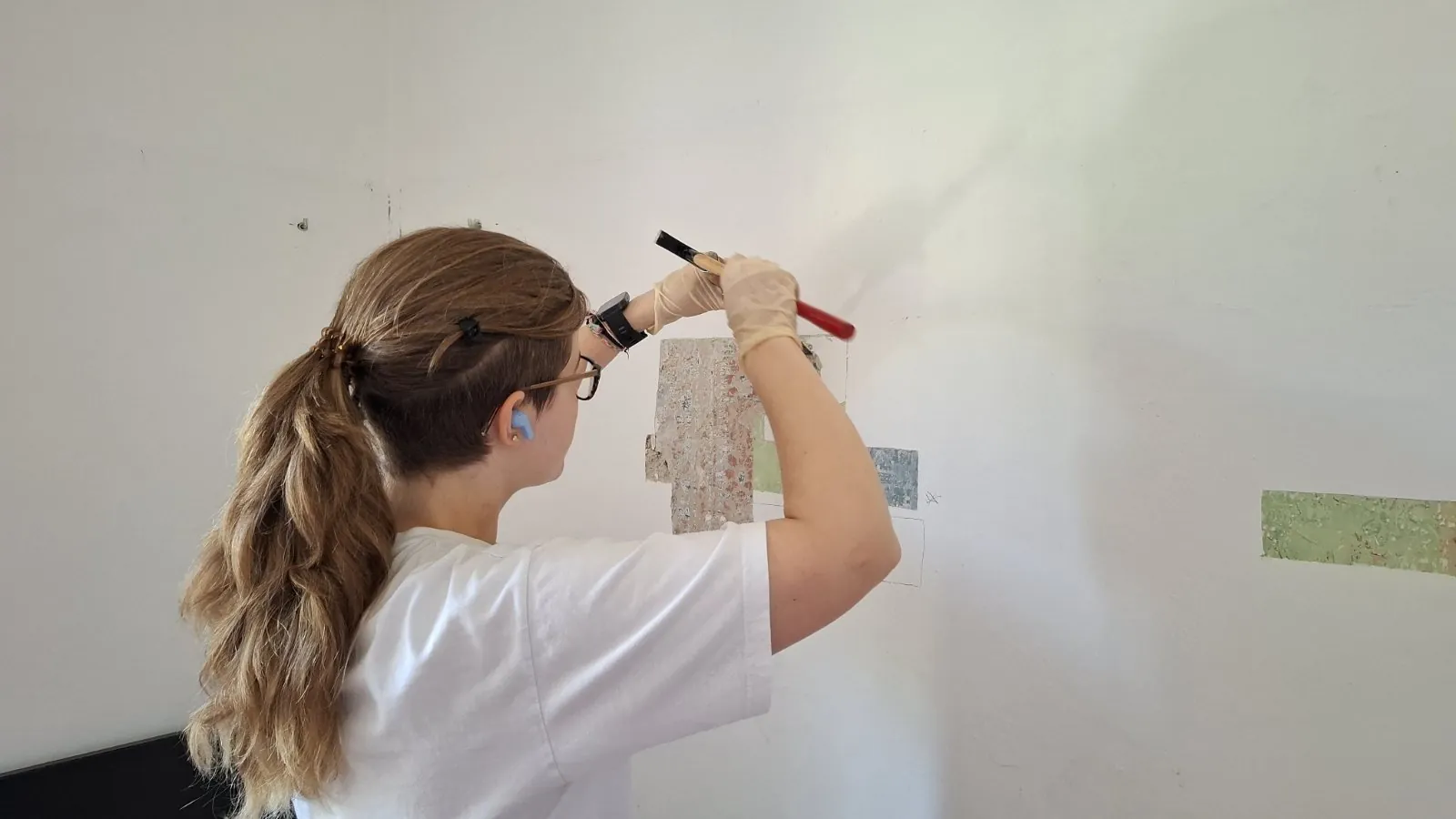
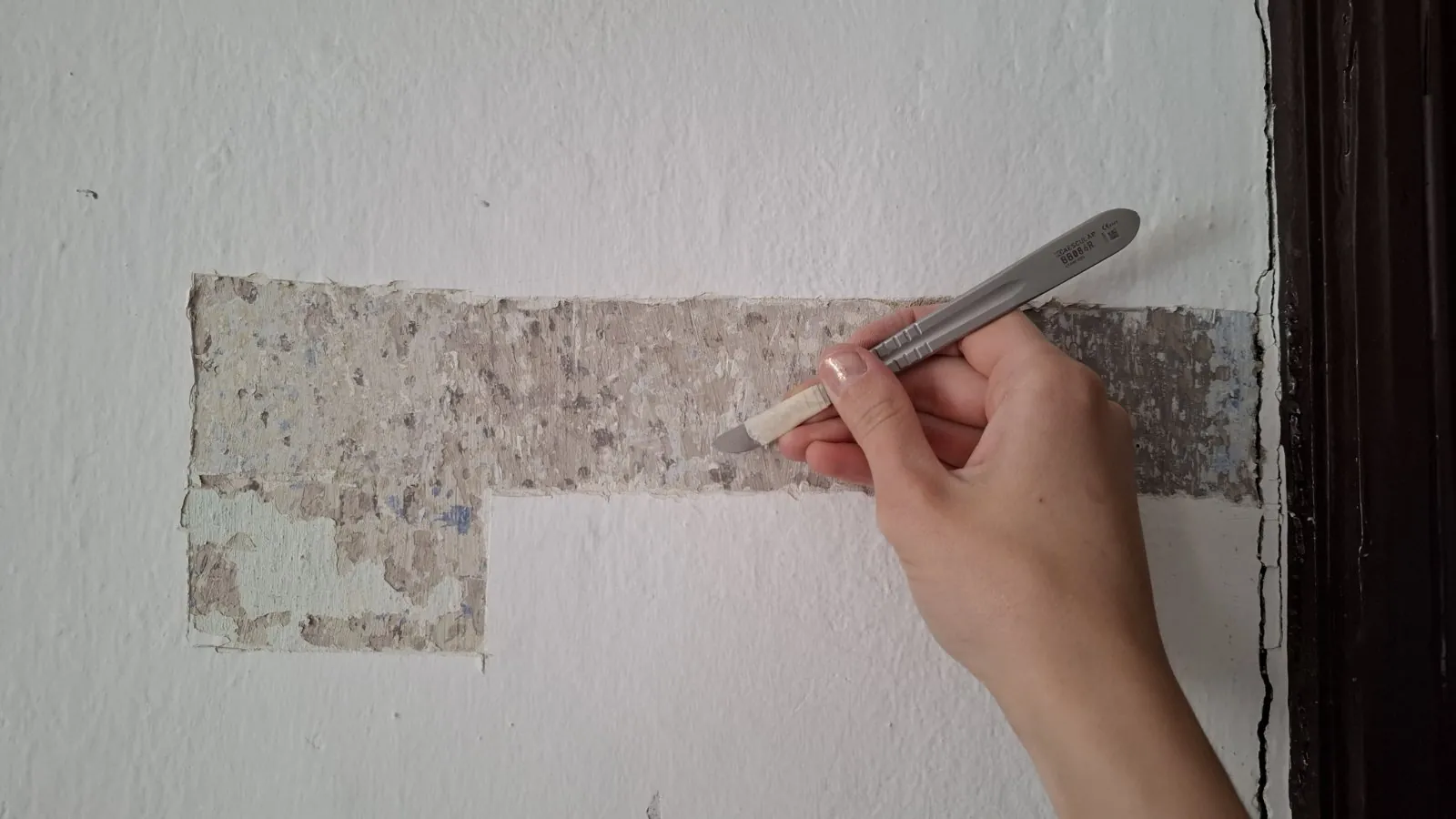
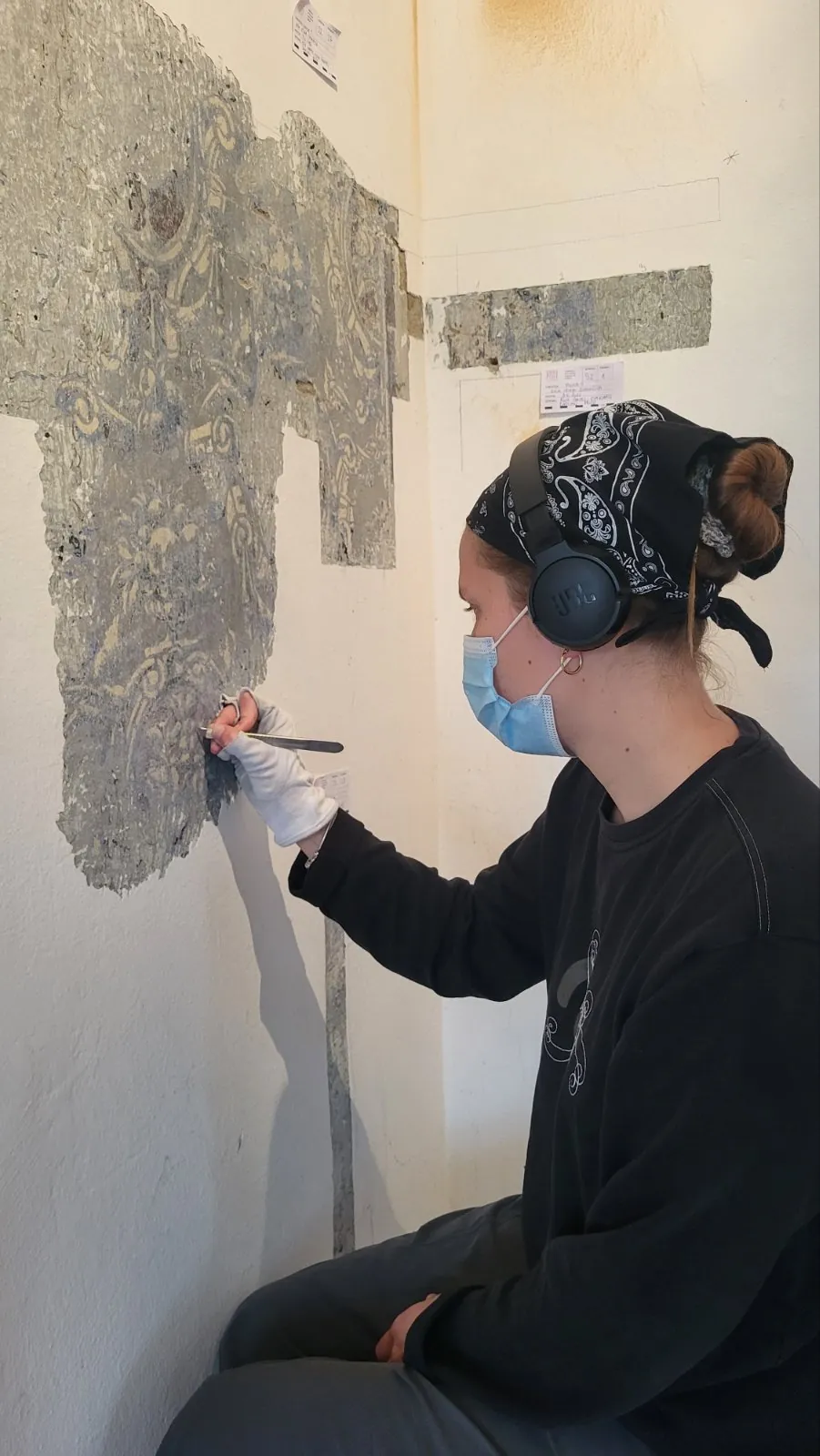
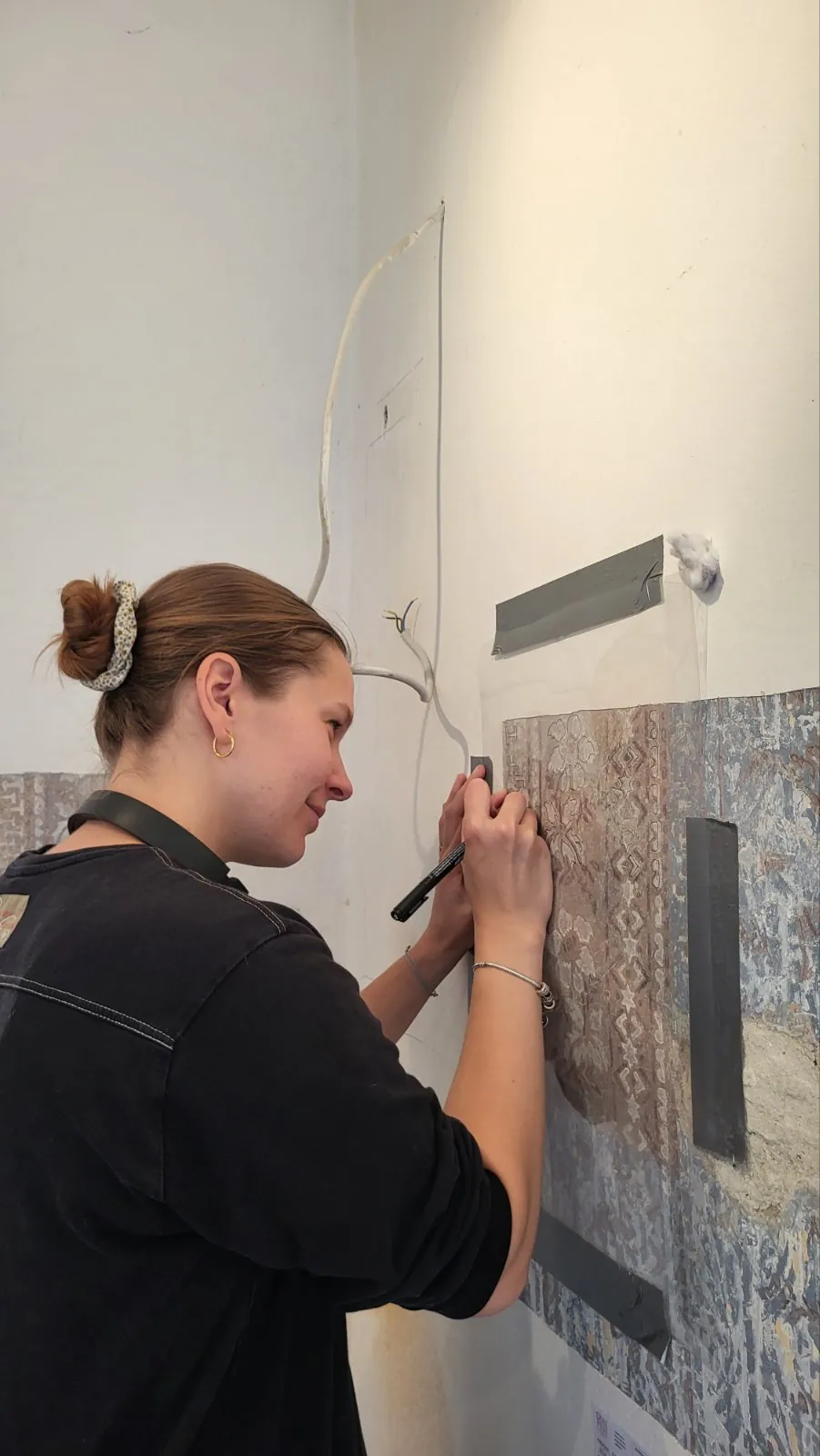
They bear witness to the aesthetic taste and higher social standing of the former owners.
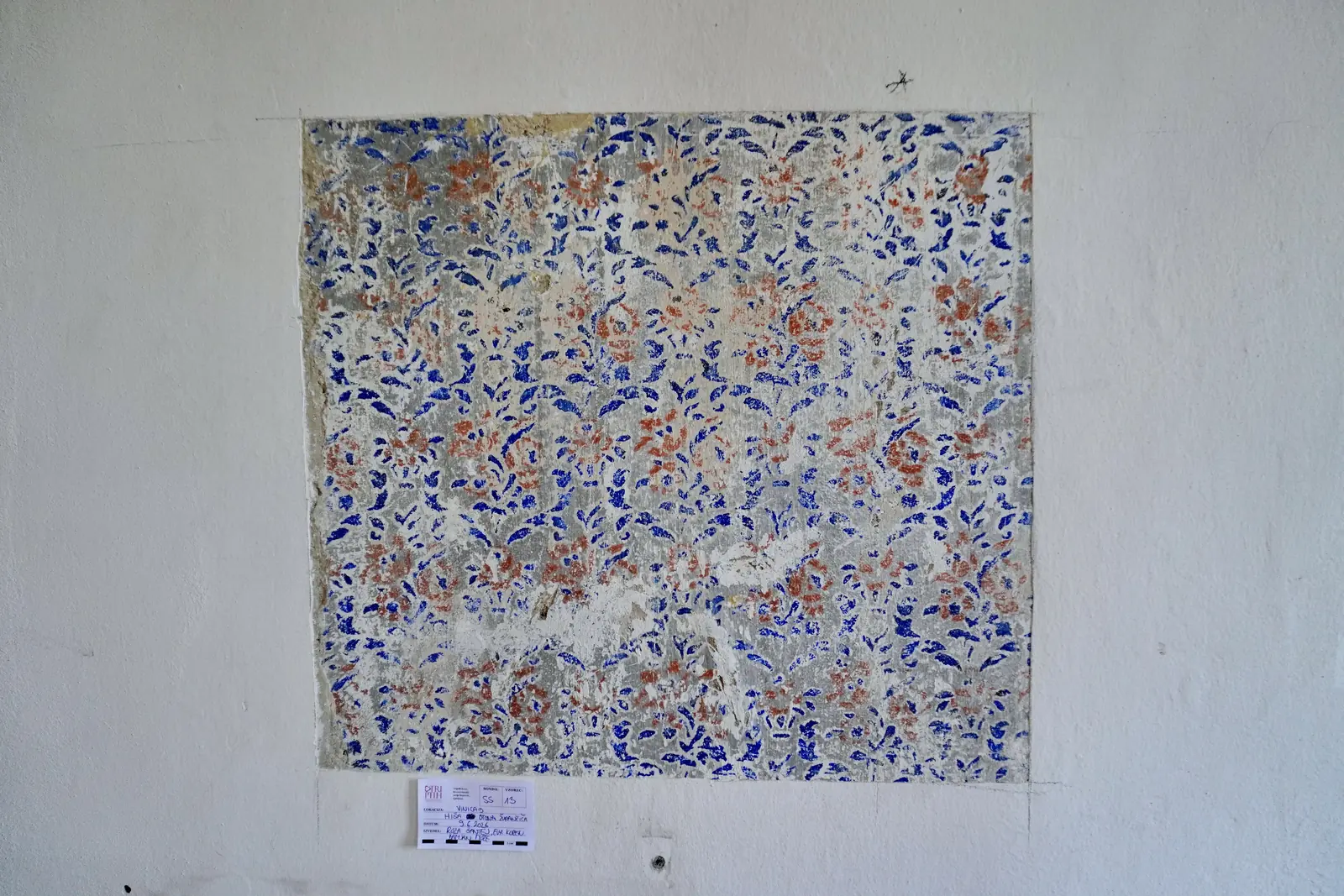
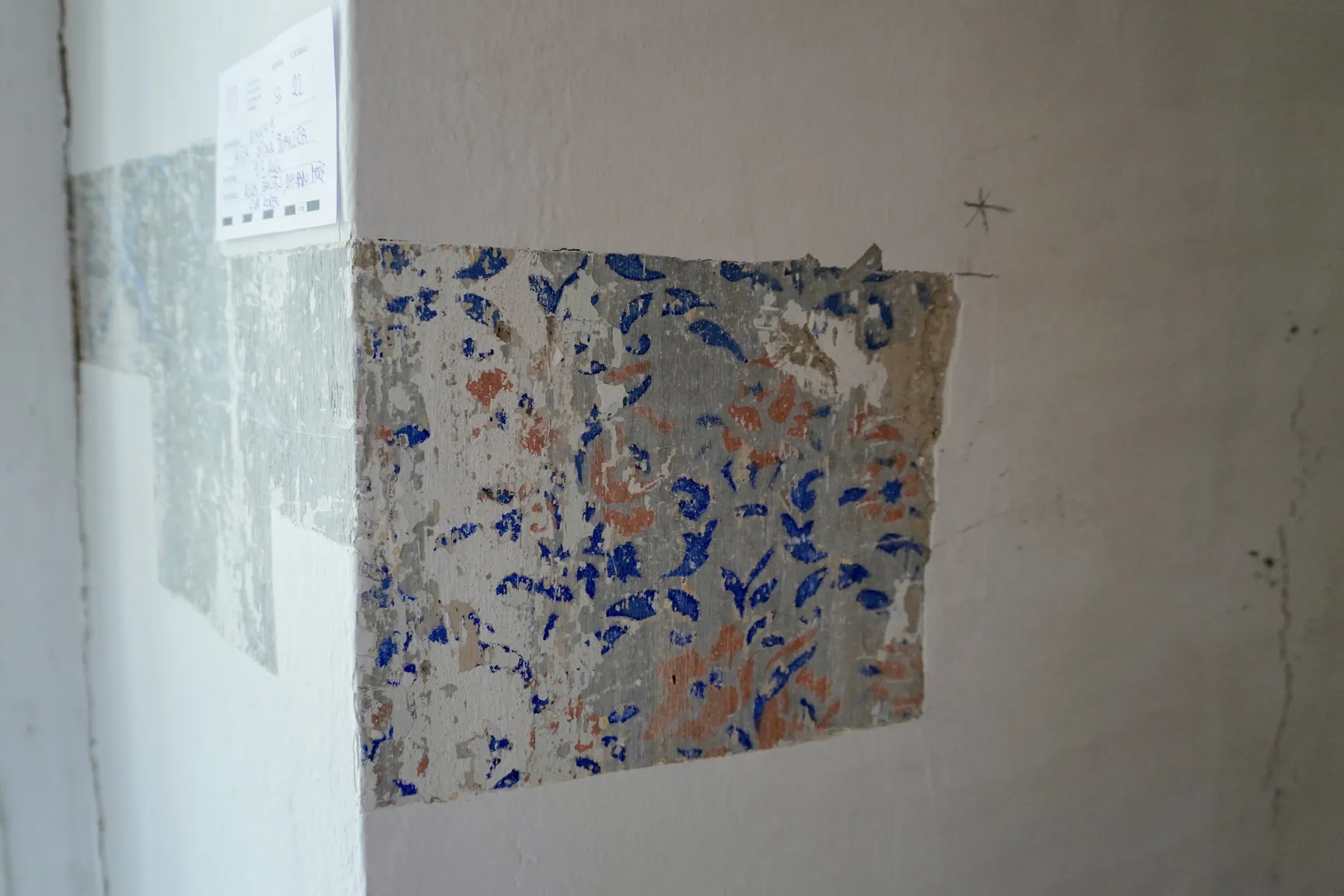
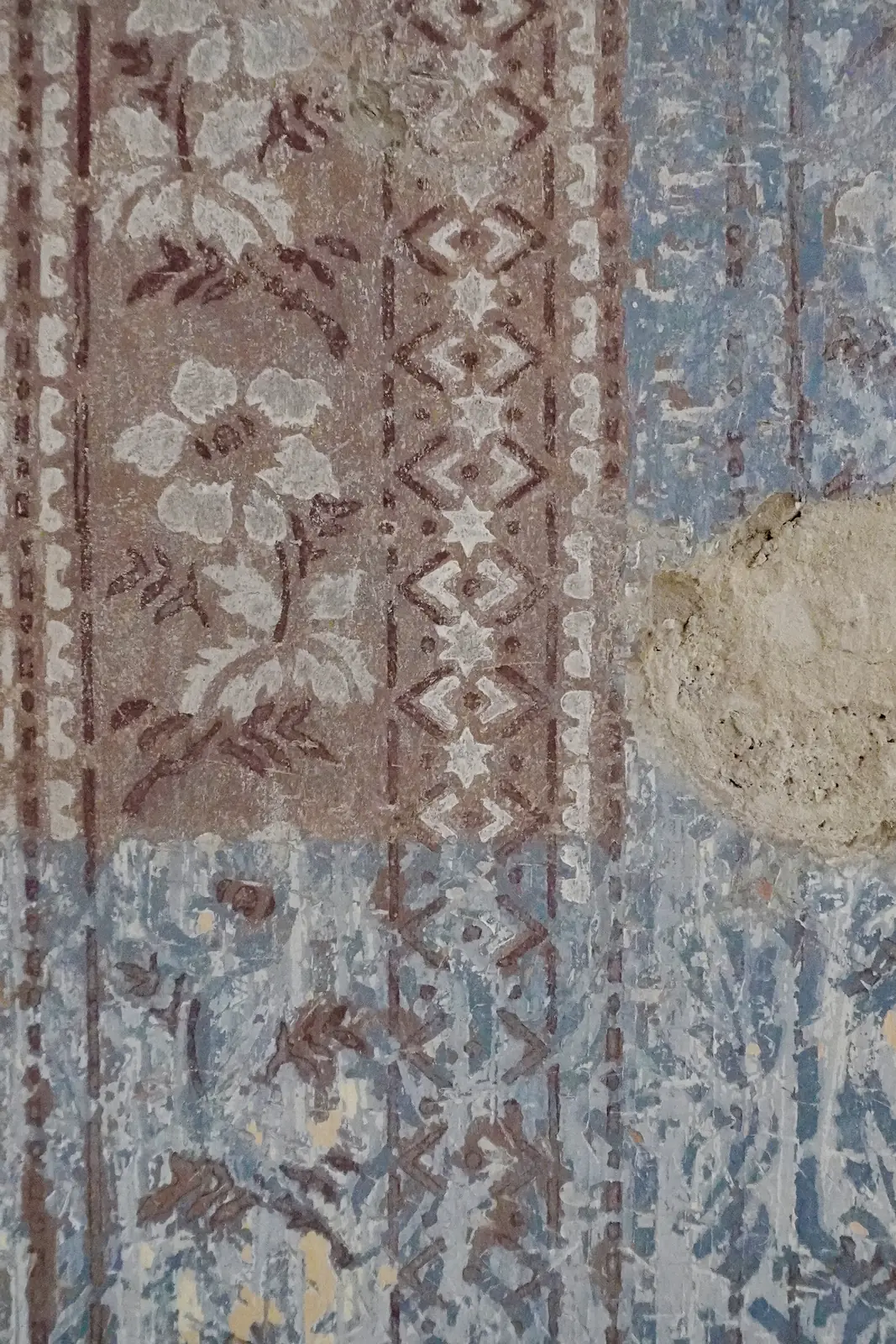
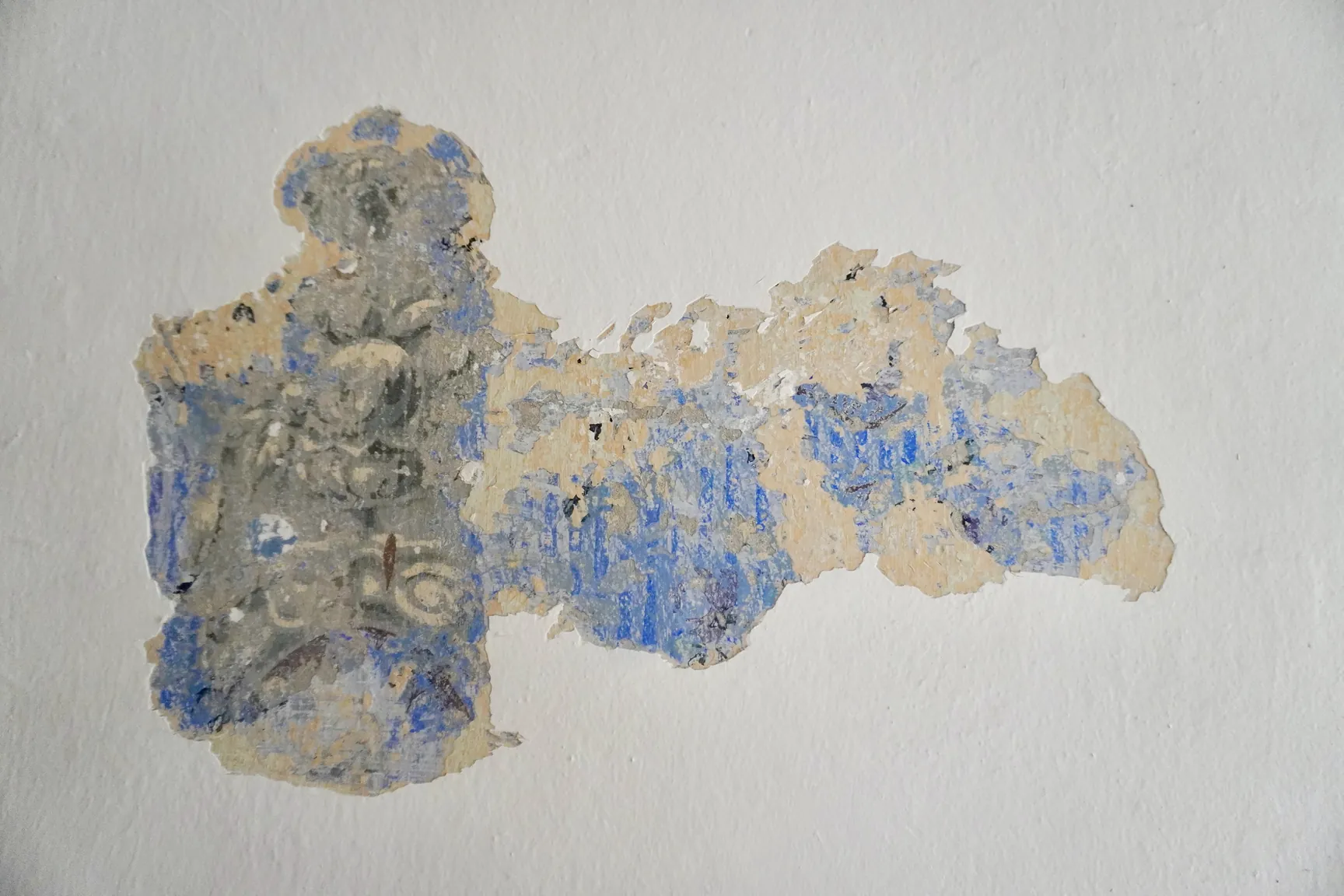
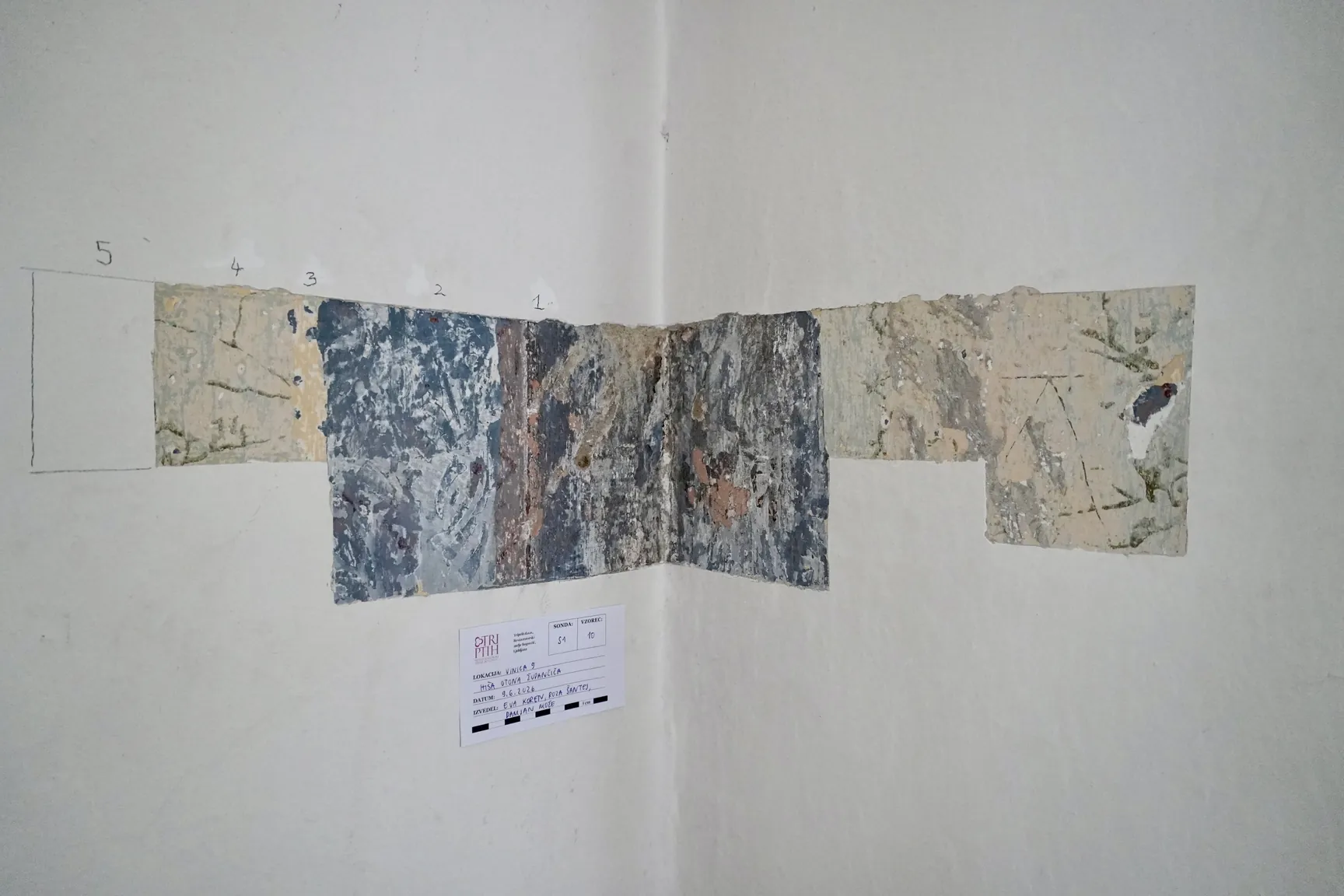
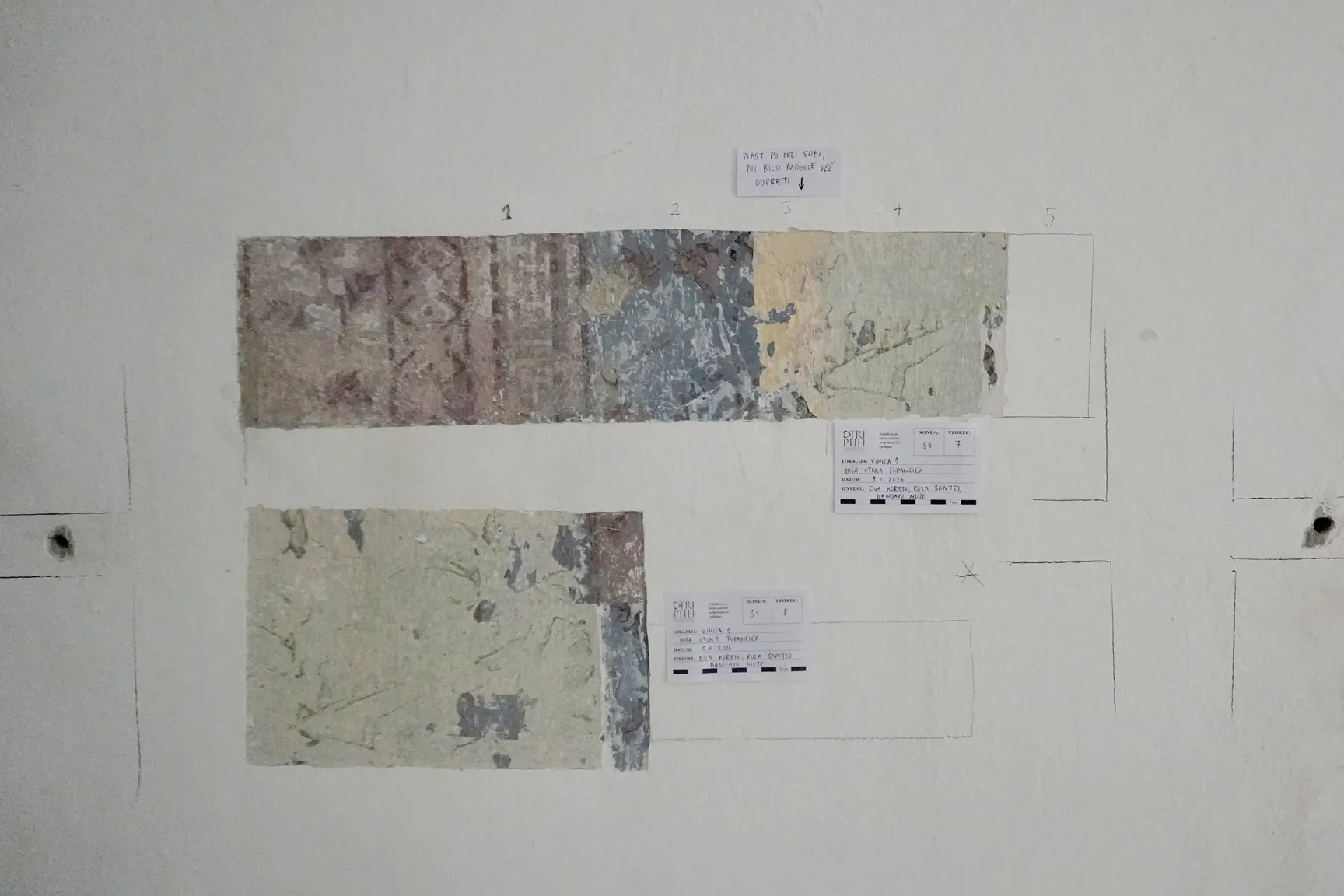
When we remove the later layers, the stories of the people who lived here open up before us, showing that the house was wealthy and architecturally outstanding for its time. Finds like these add significantly to our understanding of the space and its history.
Photos: Kreativna baza and Triptih, restavratorski atelje Bogovčič.
Further information: Klaudija Jaketič, head of the Oton Župančič Memorial House, +386 7 306 43 43, zupancic.vinica@ric-belakrajina.si