We have gathered answers to the questions visitors ask most often. If you can’t find an answer, write to us or give us a call.
From Vinica to Ljubljana
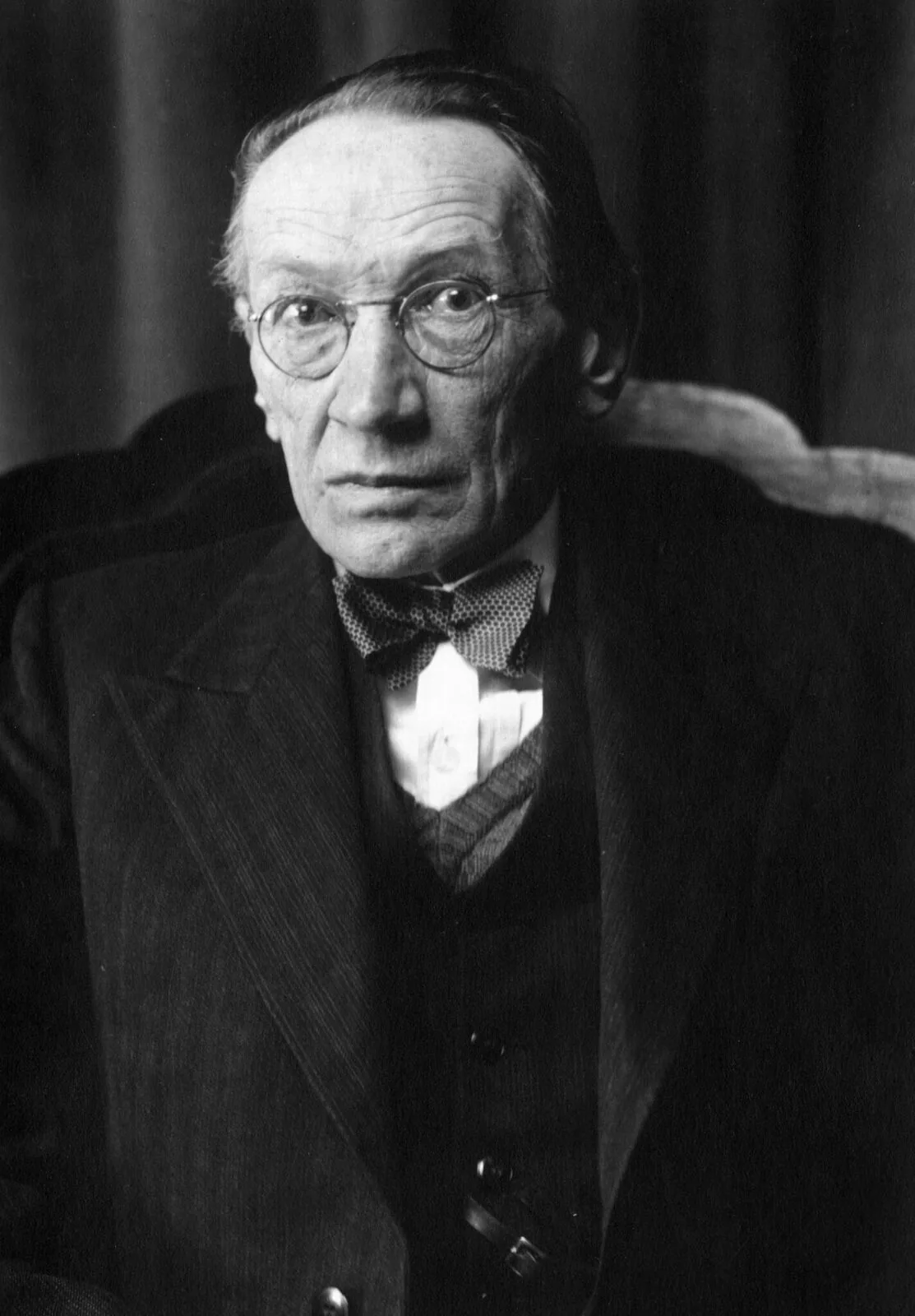
Oton Župančič (23 January 1878 – 11 June 1949) was born in Vinica in Bela Krajina, to mother Ana Malič and father Franc Zupančič. After Oton’s birth, the family moved to Dragatuš where he spent his childhood, attended primary school and already started crafting his first rhymes and poems.
As he proved to be an excellent pupil, his parents sent him to Novo mesto where he attended the lower grammar school. He continued his education at the upper grammar school in Ljubljana, where he met Cankar, Kette and Murn.
Vienna, Paris and the beginnings of modernism
In Vienna he studied geography and history, while earning money as a private tutor. During his studies he travelled widely; he lived in Paris, where he broadened his horizons and became acquainted with the most contemporary literary movements and ideas.
With the publication of his first poetry collection, Čaša opojnosti, in 1899, Oton Župančič – together with Ivan Cankar, who published his collection Erotika in the same year – set one of the key milestones in Slovenian literature. Both works are regarded as the beginning of Slovenian modernism.
Forge me, life, forge me!
Oton Župančič
Family and Ciciban
After returning to Slovenia, he settled in Ljubljana, where he started a family with Ana Kessler. His firstborn son Marko inspired Oton to publish the celebrated poetry collection Ciciban, which to this day ranks among the very finest works of children’s literature.
Poetry collections and translations
Oton Župančič published five poetry collections for adults – Čaša opojnosti, Čez plan, Samogovori, V zarje Vidove and Zimzelen pod snegom – and four collections for children: Pisanice, Lahkih nog naokrog, Ciciban and Sto ugank. Beyond these published collections, the broad and rich legacy of the poet’s work can be found in various collected editions.
He was a distinguished translator; his translation work consists above all of Shakespeare’s plays. His translation of Romeo and Juliet still resonates in Slovenian theatres today.