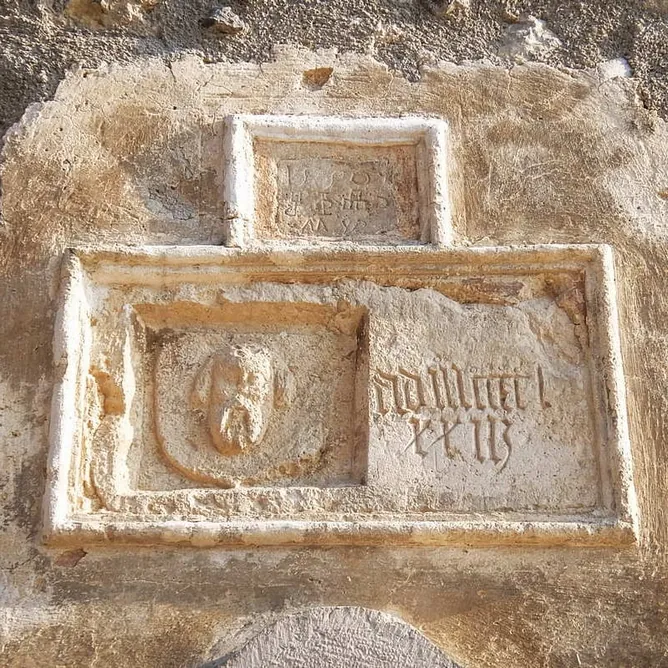
Vinica – Centuries by the Kolpa River
From the first traces of the Neolithic, through the Iron Age Iapodes and the ancient Romans, to the Middle Ages and beyond, Vinica has known diverse cultures and civilisations and has always been part of them, there on the bank of the Kolpa river.
The Vinica Republic
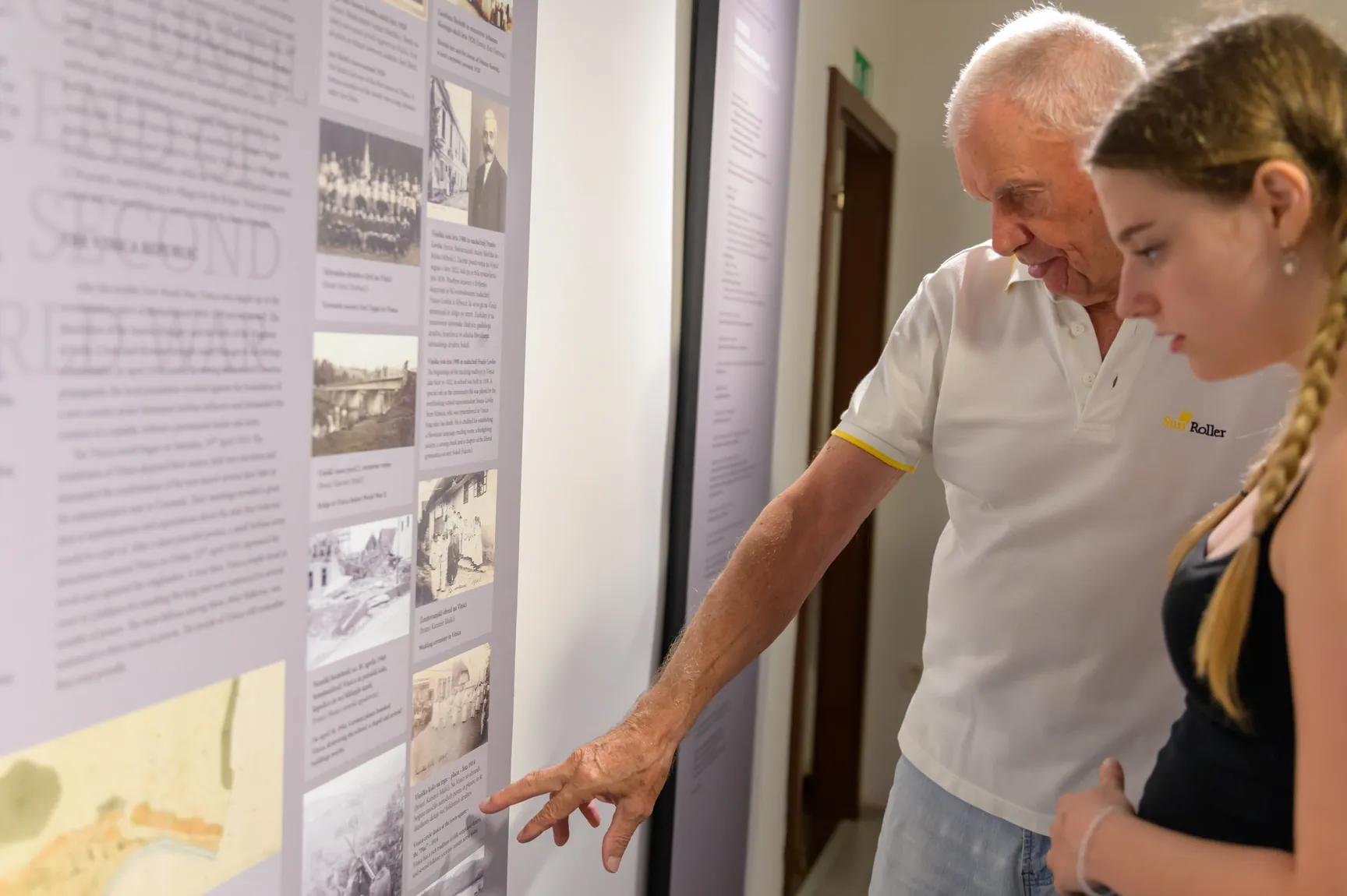
After the heavy death toll of the First World War, the revolutionary spirit of the difficult years 1918–1919 also reached Vinica. The collapse of Austria-Hungary and the creation of the Kingdom of Serbs, Croats and Slovenes brought many changes in people’s sense of national belonging. Strongly influenced by Croatian propaganda, in April 1919 the local population rose up against the creation of the new state and demanded a republic without a standing army or a monarch.
The Vinica uprising began on Saturday, 19 April 1919. The people of Vinica dismissed their mayor, held new elections and a few days later demanded that the district authority in Črnomelj confirm the new mayor. At their gatherings they showed a great deal of “republicanism” and conviction about the justly ordered future state they would be part of.
After a few peaceful days and a fair, on Friday, 25 April 1919, the Serbian army marched into Vinica, crushed the uprising and rounded up the ringleaders. A year later the people of Vinica were tried in Ljubljana for insulting the monarch and sentenced to several months in prison. The most defiant of them, Peter Balkovec, was given three years. To this day, Vinica remembers this event with pride.
Source: Dr Janez Weiss, from the collection Vinica – Centuries by the Kolpa River